
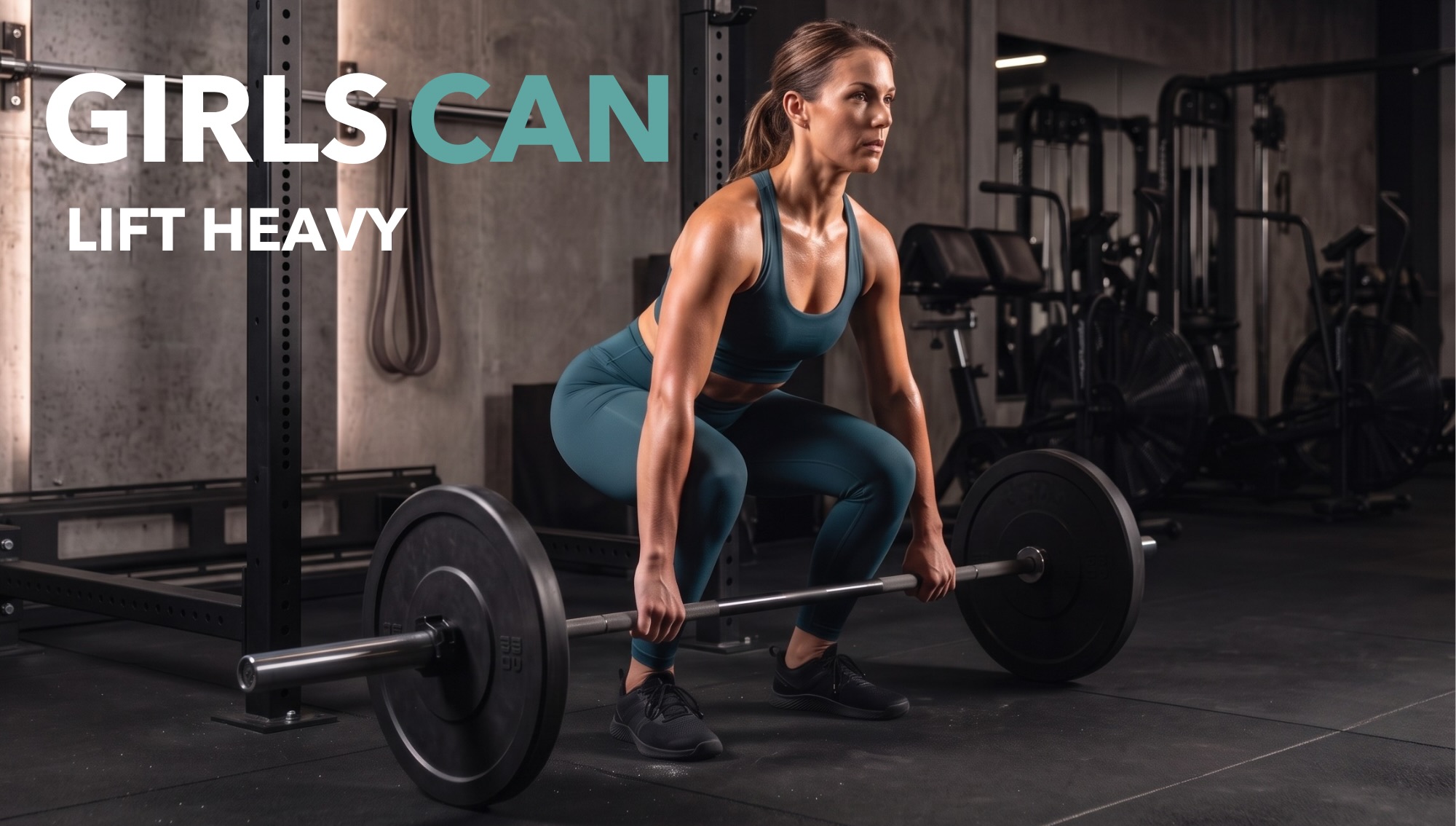
Resistance training for women is one of the most powerful ways to improve long-term health. While many women focus primarily on cardio, strength training provides unique benefits that cannot be replicated by other forms of exercise.
From building peak bone density in your 20s to protecting muscle, metabolism and independence after menopause, resistance training supports healthy ageing, reduces disease risk and improves quality of life. Combined with adequate protein intake, it forms the foundation of lifelong health.
Women and Strength Training: Why Female Physiology Matters
Women are not simply smaller versions of men. Female hormones influence muscle growth, recovery, metabolism, bone health and training adaptations throughout the menstrual cycle, pregnancy, perimenopause and menopause.
Research led by exercise physiologist Dr Stacy Sims has highlighted that women respond differently to exercise and nutrition, yet female-specific exercise science has only recently begun to catch up.
One conclusion is now clear: resistance training offers women physiological, hormonal, skeletal, metabolic and cognitive benefits that no other form of exercise fully replaces.
Dr Yesheen’s take: “Resistance training is not simply about fitness or appearance. It is one of the most effective health interventions available for women, with benefits that accumulate across every stage of life. Starting early is ideal, but it is never too late to begin.”
Resistance Training in Your 20s: Build the Foundation
Your 20s are when peak bone density is established, typically between ages 25 and 30. The more bone you build during this period, the greater your protection against osteoporosis later in life.
Strength training also:
- Builds lean muscle mass
- Improves movement patterns and coordination
- Boosts metabolic health
- Establishes lifelong exercise habits
Heavy lifting will not make most women bulky. Instead, it builds stronger, leaner and more metabolically active muscle.
Strength Training in Your 30s and 40s
From your 30s onwards, women naturally lose 3-8% of muscle mass per decade, with losses accelerating after 40.
Because muscle supports metabolism, insulin sensitivity, posture, joint health and everyday function, preserving it becomes increasingly important.
As oestrogen gradually declines, resistance training helps to:
- Maintain muscle mass
- Preserve bone density
- Improve insulin sensitivity
- Support healthy body composition
Progressive overload and compound lifts should become the cornerstone of your weekly exercise routine.
Protein Matters More
Protein requirements increase with age because muscles become less responsive to dietary protein.
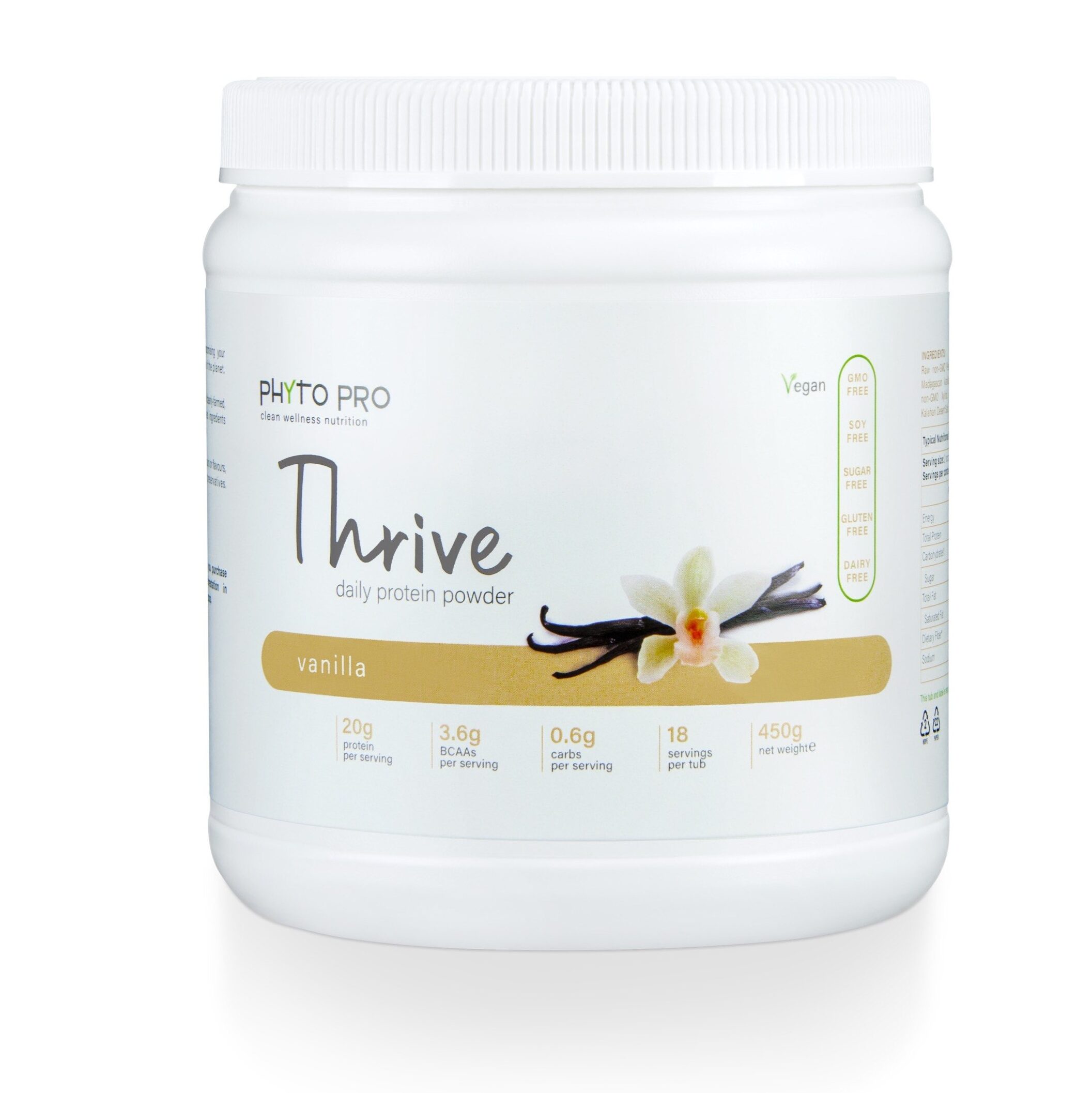
Phyto Pro Thrive Daily Protein provides ±20g of complete plant protein per serving from water-extracted, Canadian-grown peas and is naturally rich in essential amino acids and BCAAs.
It is free from dairy, soy, gluten and artificial additives and is available in Chocolate, Vanilla, Strawberry and Unflavoured.
Resistance Training During Perimenopause
Perimenopause usually begins during the early-to-mid 40s and brings fluctuating oestrogen levels that affect body composition, sleep, mood, metabolism and bone health.
Resistance training is one of the few interventions proven to improve multiple symptoms simultaneously. It helps:
- Preserve muscle
- Slow bone loss
- Improve insulin sensitivity
- Support cognitive function
- Reduce fall risk
- Improve overall metabolic health
Research increasingly supports lifting heavier weights, rather than switching to light weights with high repetitions, to maximise muscle and bone adaptations during this stage.
Dr Yesheen’s take: “Perimenopause is a pivotal window for long-term health. Consistent resistance training helps offset many effects of declining oestrogen and leads to better health outcomes after menopause.”
Strength Training After 50
After menopause, declining oestrogen accelerates bone loss and increases the risk of osteoporosis and fractures.
Research consistently shows that high-intensity resistance training improves bone mineral density in the hip and spine while helping prevent sarcopenia -the age-related loss of muscle mass and strength.
Benefits after 50 include:
- Better balance and mobility
- Greater independence
- Reduced fall risk
- Improved metabolic health
- Better mood and cognitive function
- Higher quality of life
Resistance training remains the most effective lifestyle intervention for preserving strength and function as we age.
What Should Women Eat to Support Resistance Training?
Nutrition is just as important as training.
Current research suggests women performing regular resistance training should consume approximately 1.6-2.2 g of protein per kilogram of body weight per day, with women in perimenopause and postmenopause often benefiting from the higher end of this range.
Prioritise complete protein sources that provide all nine essential amino acids to maximise muscle protein synthesis and recovery.
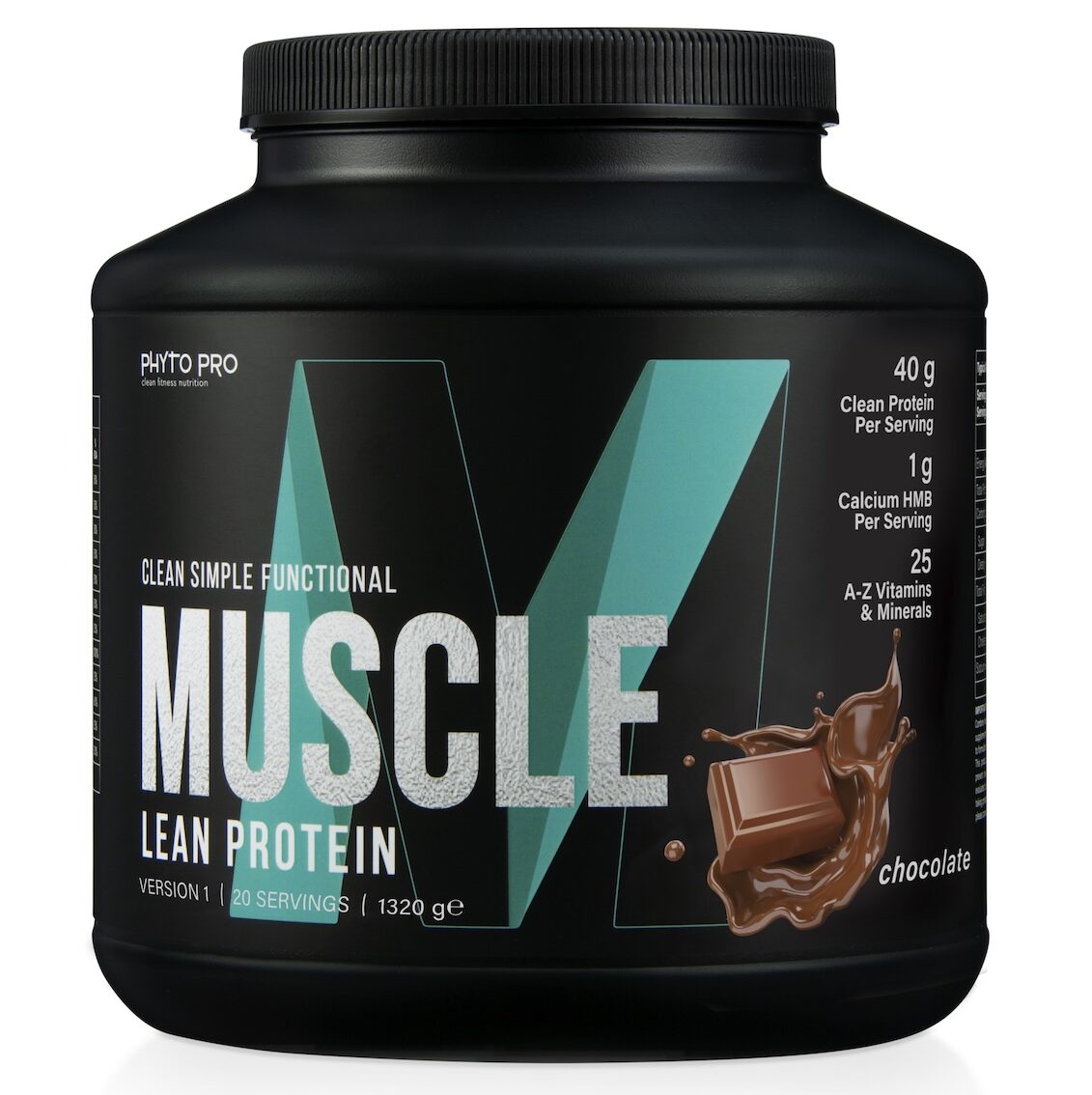
Phyto Pro Muscle Lean Protein delivers 40g of complete pea protein isolate per serving, naturally rich in BCAAs and enhanced with Calcium HMB to help protect muscle during calorie restriction or intense training.
It is free from dairy, soy, gluten, GMOs and artificial additives.
The Bottom Line
Whether you’re in your 20s or your 70s, resistance training is one of the best investments you can make in your long-term health.
It helps build and preserve muscle, strengthens bones, supports hormonal health, improves metabolism, reduces the risk of osteoporosis and sarcopenia, and promotes healthy ageing.
Combined with adequate protein intake, strength training isn’t just exercise – it is one of the most effective evidence-based strategies for helping women stay stronger, healthier and more independent throughout life.
Frequently Asked Questions:
Will lifting weights make women bulky?
No. Women naturally produce far less testosterone than men, making it much harder to build large amounts of muscle. Instead, resistance training helps women develop a leaner, stronger, more toned physique while improving bone density, metabolism and overall health.
When should women start resistance training?
The earlier, the better. Starting in your 20s helps maximise peak bone density and build lifelong strength, but research shows women can gain muscle, improve bone health and become stronger at any age. It’s never too late to start.
How many days a week should women do resistance training?
For most women, 2-4 resistance training sessions per week is enough to build strength, maintain muscle and support long-term health. Focus on progressive overload and compound exercises that train the whole body.
Is resistance training better than cardio for women?
Both have important health benefits, but resistance training provides unique benefits that cardio cannot, including building muscle, increasing bone density, improving insulin sensitivity and helping prevent age-related muscle and bone loss. Ideally, women should include both strength training and cardiovascular exercise in their weekly routine.
Can resistance training help during perimenopause and menopause?
Yes. Resistance training is one of the most effective lifestyle interventions for managing perimenopause and menopause. It helps preserve muscle, maintain bone density, improve insulin sensitivity, support mood and reduce the risk of osteoporosis and falls later in life.
How much protein do women need for resistance training?
Women who regularly perform resistance training should aim for approximately 1.6-2.2 g of protein per kilogram of body weight per day, with women in perimenopause and postmenopause often benefiting from the higher end of this range.
What is the best protein powder for women doing resistance training?
Look for a complete, high-quality protein that provides all nine essential amino acids to support muscle recovery and growth. Phyto Pro Muscle Lean Protein delivers 40g of complete pea protein isolate per serving and is enhanced with Calcium HMB to help protect muscle during calorie restriction or intense training. It is free from dairy, soy, gluten, GMOs and artificial additives and is available at phytopro.co.za.